Fabaceae ( or known as Leguminosae ) is a large and economically important family of flowering plants. It is commonly known as the legume family, pea family, bean family or pulse famiy.
.
The name ‘Fabaceae’ comes from the defunct genus Faba, now included into Vicia. However, Leguminosae is still considered a valid name.
.
Fabaceae is the 3rd largest family of flowering plants, with some 730 genera and over 19,400 species. The largest genus is Astragalus, with more than 2,000 species. Acacia have more than 900 species, Indigofera have some 700 species, Crotalaria have 600 species, and Mimosa have 500 species.
.
The Fabaceae are placed in the order Fabales, according to most taxonomic system.
.
The Fabaceae comprise 3 subfamilies : Mimosoideae, Caesalpinioideae, and Faboideae/Papilionoideae.


Mimosoideae have some 80 genera and 3,200 species.
Classified in 4 tribes : Acacieae, Ingeae, Mimoseae, Mimozygantheae.
Distributed mostly tropic and warm temperate Asia and America.
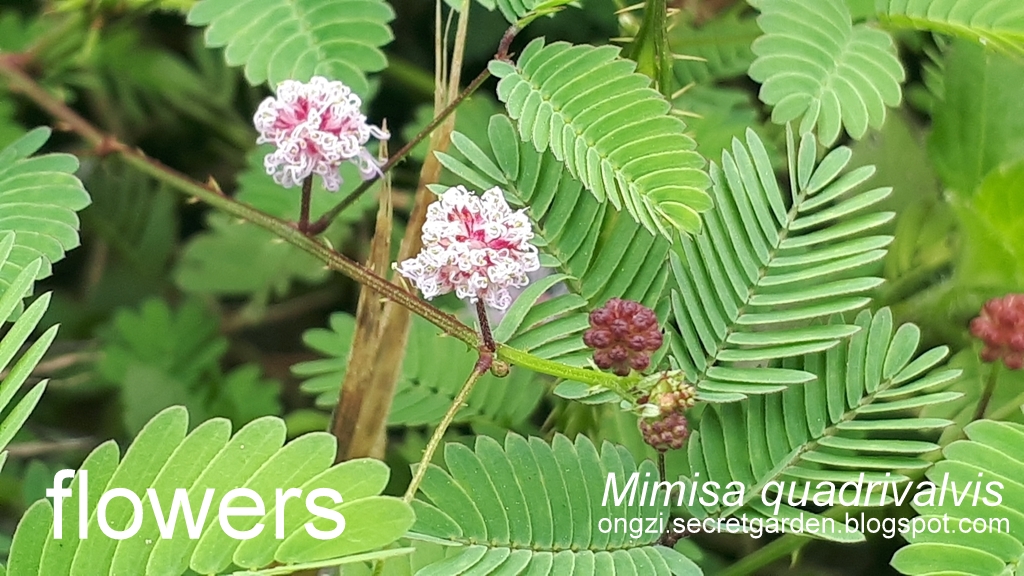
Flowers with small petals and numerous prominent stamens. Inflorescences actinomorphic, capitate clusters, spikes or racemes.
Fruit dry when mature, dehiscent along both groove.
Leaves bicompound.
Nodulation is common.
Monophyletic.
Important species : Acacia acuminate, Adenanthere pavonina (saga), Mimosa pudica, Parkia speciosa (petai).


Caesalpinioideae have some 170 genera and 2,000 species.
Classified in 4 tribes : Caesalpinieae, Cassieae, Cerdieae & Detarieae.
Distributed cosmopolitan.
Caesalpinioideae are mainly trees, distributed in the moist tropics.
Flowers with non-papilionaceous corolla, petals not equals, stamen 10 or fewer. Inflorecence spikes, racemes or heads.
Fruit varies.
Leave compound.
Nodulation is rare.
Paraphyletic.
Important species : Caesalpinia pulcherrima, Delonix regia, Senna alexandrina, bauhinia blakeana.


Faboideae, also know as Papilioinoideae, have some 470 genera and 14,000 species.
Classified in 32 tribes : Abreae, Adesmieae, Aeschynomeneae, Amorpheae, Bossiaeeae, Brongniartieae, Carmichaelieae, Cicereae, Crotalarieae, Dalbergieae, Desmodieae, Dipterygeae, Euchreasteae, Galegeae, Genisteae, Hedysareae, Indigofereae, Liparieae, Loteae, Millettieae, Mirbelieae, Phaseoleae, Podalyrieae, Psoraleeae, Robinieae, Sesbanieae, Sophoreae, Swartzieae, Termospsideae, Trifolieae, Vicieae.
Faboideae may be trees, shrubs or herbs, distributed cosmopolitan.
Flowers with papilionaceous corolla, petals not equal. Stamen 10, often united into a tube, uppermost filament free. Infrorecence strongly zygomorphic, spikes or racemes.
Fruit dry when mature, dehiscent along both sutures or breaking into loments.
Leaves compound, palmate or pinnate.
Nodulation is common.
Monophyletic sensu stricto
Important species : Archis hypogea (peanut), Cicer arietum (chickpea), Glycine max (soybean), Lens culinaris (lentil), Medicago sativa (alfafa), Phaseolus vulgaris (French bean), Pisum sativum ( common pea), Vigna sesquipedalis (long bean).



.JPG)


