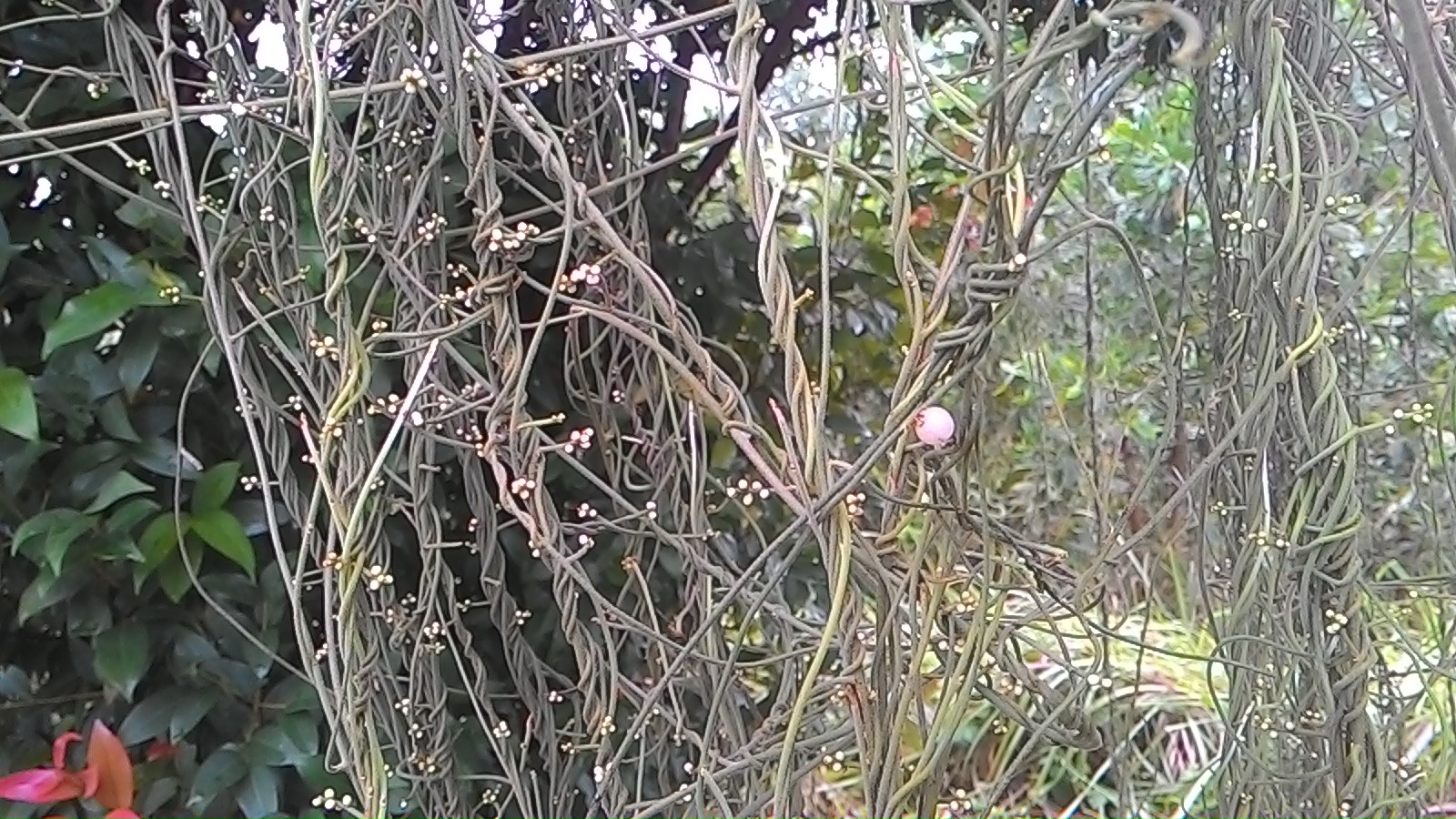
Hyperaccumulator refers to of plants that belong to distantly related families, but share
the ability to grow on metalliferous soils and to accumulate extraordinarily
high amounts of heavy metals in the aerial organs, far in excess of the levels
found in the majority of species, without suffering phytotoxic effects.
Three basic hallmarks distinguish
hyperaccumulators from related non-hyperaccumulating taxa:
1. a strongly enhanced rate of heavy
metal uptake,
2. a faster root-to-shoot translocation,
and
3. a greater ability to detoxify and
sequester heavy metals in leaves.
An interesting breakthrough that has
emerged from comparative physiological and molecular analyses of
hyperaccumulators and related non-hyperaccumulators is that most key steps of hyperaccumulation
rely on different regulation and expression of genes found in both kinds of
plants. In particular, a determinant
role in driving the uptake, translocation to leaves and, finally, sequestration
in vacuoles or cell walls of great amounts of heavy metals, is played in
hyperaccumulators by constitutive overexpression of genes encoding
transmembrane transporters, such as members of ZIP, HMA, MATE, YSL and MTP
families.
Among the hypotheses proposed to
explain the function of hyperaccumulation, most evidence has supported the
"elemental defence" hypothesis, which states that plants
hyperaccumulate heavy metals as a defence mechanism against natural enemies,
such as herbivores. According to the
more recent hypothesis of "joint effects", heavy metals can operate
in concert with organic defensive compounds leading to enhanced plant defence
overall.
Heavy metal contaminated soils pose
an increasing problem to human and animal health. Using plants that
hyperaccumulate specific metals in cleanup efforts appeared over the last 20
years. Metal accumulating species can be used for phytoremediation (removal of
contaminant from soils) or phytomining (growing plants to harvest the metals).
In addition, as many of the metals that can be hyperaccumulated are also
essential nutrients, food fortification and phytoremediation might be
considered two sides of the same coin.
Rascio
N, Navari-Izzo F.2015, Heavy metal
hyperaccumulating plants: how and why do they do it? And what makes them so
interesting? Plant Sci. 2011 Feb;180(2):169-81. doi:
10.1016/j.plantsci.2010.08.016. Epub 2010 Sep 15.