Ongzi, a zeal HORTICULTURIST,yet resides in a plant-free apartment…… thinks that plants deserved to be treated as LIVING THING, not merely as plants …… strongly condemns any form of CRUELTY TO PLANTS, yet enjoys feast on them…… collects only e-HERBARIUM, and proudly encourages others to do the same……
Saturday, 21 July 2018
Tuesday, 10 July 2018
Sunday, 8 July 2018
Cassytha filiformis
Cassytha filiformis is a leafless, climbing, twining,
vine-like, autoparasitic and plant-hyperparasitic phanerogam (seed-bearing
plant) in the plant family Lauraceae.

Nomenclature
The genus name derives from “kesatha”, Aramaic for ‘a tangled wisp of
hair.’ The specific name “filiformis”
is a Latin word for ‘treadlike’
Descprition
Cassytha species
are parasitic vines with small haustoria (infectious, adhesive structures used
to withdraw nutrients from host organs through host cell membranes). Its stems
are filiform, containing chlorophyll. The leaves are reduced to minute scales.
The flowers are sessile or
pedicellate, in heads or spicate or racemose inflorescences; the floral tubes
are shallow, enveloping the fruit; there are six persistent tepals, the outer
three smaller than the inner three, nine fertile stamens, those of the third
whorl with two basal glands, the fourth whorl reduced to staminodia; the
anthers are dithecal.
The fruit is enclosed in the floral tube
with a persistent perianth.
Propagation
Seeds may be spread by animals,
water, strong winds, farm machinery or with crop seed. The plant may spread locally
by vegetative growth between hosts and over soils.
Seedlings of C. filiformis can survive for up to two months without a host and
growing to a length of 30 cm or more.
Pathogenicity
The haustoria of C. filiformis penetrate the host epidermis and extend into more
interior tissues, extracting cellular nutrients and water from plant phloem and
xylem.
Even though the haustorium is an
intracellular structure, it is not in direct contact with the host cell
cytoplasm. In the case of phloem tissues, the cells of the plant host and the
pathogen are separated by their respective cell membranes. Nutrients and fluid
pass through these membranes. After the haustorium directly penetrates the cell
wall, the haustorium does not penetrate or break through the plasmalemma
membrane, but rather invaginates it.
The objective of C. filiformis is to obtain nutrients and water from the host plant
without quickly killing host cells and without interfering in more than a
subtle way with their activities; the pathogen does not create immediate, fatal
damage to host cells and their metabolic processes. Rather, the host plants can
die a long, protracted death by starvation and dessication, while C. filiformis, through intimate
membrane-to-membrane contact with its host and with itself, extracts what is
required for it to grow, flower and produce seeds for its future generations.
Control
• Remove infestations manually as
early as possible to prevent further colonization and seed production (for example,
inspect host plants for C. filiformis
and prune
the affected branches promptly).
• Herbicides may be available to kill
the host plant or inhibit C. filiformis.
• Fire is used in some locations
worldwide
• Shading can reduce the parasite’s
vigor (C. filiformis is intolerant of
shade).
• Graze sheep
• Slash clumps by hand with machete.
• Avoid planting C. filiformis-contaminated seed
• Control or destroy unwanted hosts
of C. filiformis that are adjacent to
plants or crops of cultural or economic importance in order to eliminate
bridges between hosts.
• Minimize coastal habitat
modifications such as bulldozing, forestry operations and firewood gathering.
• Reforest lowland coastal habitats
(< 300 ft elevation) to increase shade.
• Do not collect soil for nurseries
or gardens from the vicinity of C.
filiformis-infected plants.
Tuesday, 5 June 2018
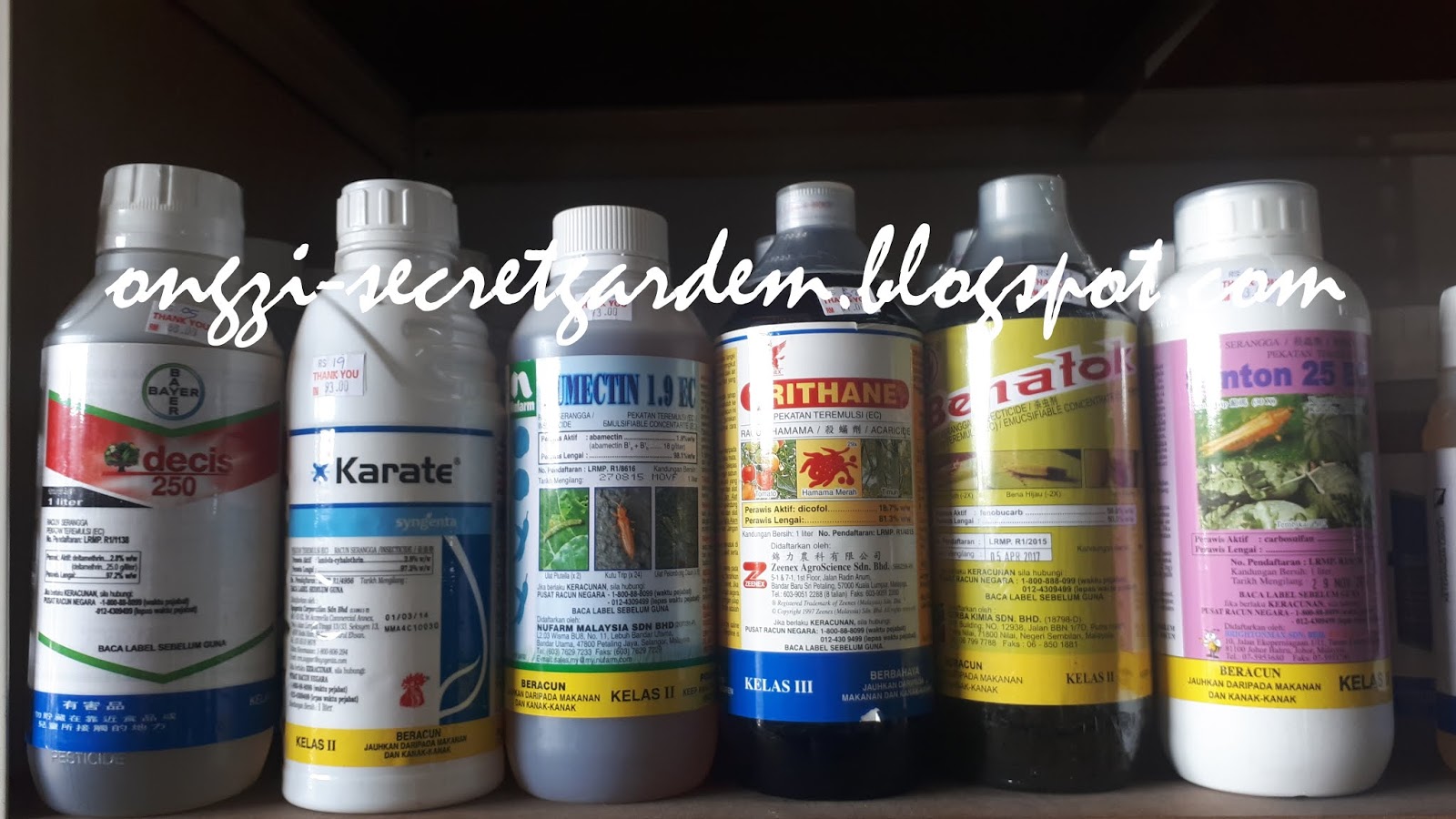
Agricultural Supply Store @ Seri Serdang
D Syira Enterprise
NS0048095-H
456, Jalan 18/2A
Taman Seri Serdang
43300 Seri Kembangan
Selangor
tel : 03-89938 1021 / 03-8959 5009
email : dsyria09@yahoo.com
Fungicides . . .
Herbicides . . .
Insecticides . . .
Bio-Insecticides . . .
Others . . .
hydroponic solutions ...
growth regulator ...
rooting hormon ...
parafilm
Growing Media . . .
Irrigation Sprinklers . . .
Thursday, 31 May 2018
Ficus pumila
Scientific
Name : Ficus pumila
Synonyms
: Ficus
hanceana, F. longipedicellata, F. pumila var. lutchuensis, F. repens var.
lutchuensis, F. scandens. F. stipulate, F. stipulate, F. vestita, Plagiostigma
pumila, P. stipulate, Tenorea heterophylla. Urostigma scandens, Varinga repens.
Common
names : Climbing fig, creeping fig, 薜荔
Varieties
& Cultivars
Ficus pumila var. awkeotsang 愛玉子
Ficus pumila var quercifolia
Ficus pumila ‘Curly’
Ficus pumila ‘Variegated’
Ficus pumila ‘Snowflake’
Habitat
F. pumila is native to the Old World
tropics but is now cultivated and in some cases invasive to introduced places.
Risk
Reported
to be invasive in Cuba , Hawaii, New
Zealand, Florida
Potential
poisonous to mammals.
Description
The
juvenile phase of this plant is morphologically different from the adult phase.
Juvenile plant attaining several metres in length, much branched, climbing by
means of adventitious roots; stems flattened; leaves 1.5-2.5 cm long, ovate to
oblong, retuse at the apex, very closely spaced.
Adult
plant developing into a much branched liana, with adventitious roots, attaining
10 m in length; produces abundant white latex when wounded. Stems flattened,
striate, tomentose, glabrescent when mature, with short pendulous branches.
Leaves alternate, simple, 4-7 × 2.2-4 cm, oblong, oblanceolate, ovate, or
elliptical, the apex obtuse, the base subcordiform, the margins entire; upper
surface dark green, slightly shiny, with the venation notably lighter; lower
surface light green, dull, with prominent reticulate venation; petioles 1.3-1.6
cm long, flattened on the upper surface, pubescent, light brown; stipules
oblong-lanceolate to subulate, persistent, 1-1.2 cm long, brown, sericeous.
Syconium green, pyriform, up to 6 cm long, soft.
F. pumila has a symbiotic relationship
with Blastophaga pumilae , an agaonid
wasp for pollination, and is fed upon by larvae of the butterfly Marpesia petreus.
Uses
Landscape
: Green walls, topiari
Ethnobotanical
: Traditional Chinese herb
Subscribe to:
Posts (Atom)