Monday, 19 August 2019

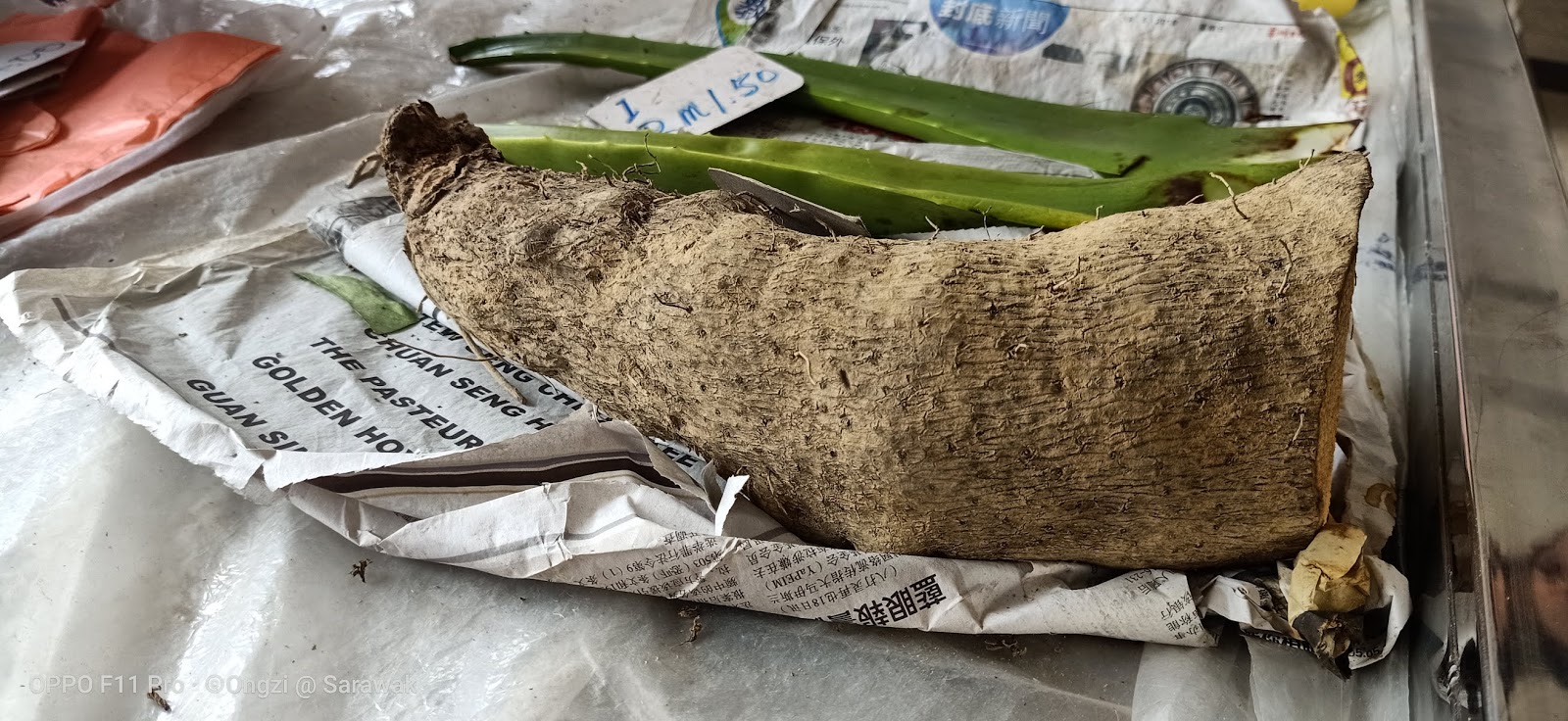
Sarikei : Local Produce ( Nature Products )


Sarikei : Local Produce ( Herbs )


Friday, 26 July 2019

Nutrient Mobility in Plants

18 elements have been identified as vital to plant growth. 

3 elements, carbon, hydrogen and oxygen, are non-minerals.  Carbon and oxygen enter plants through leaves as carbon dioxide. Oxygen also enters plants with hydrogen through roots as water.

14 are minerals. The 14 must be dissolved in soil water and enter the plant as roots take up water. Mineral elements can further be divided into primary or secondary macronutrients and micronutrients. 

Macronutrients are those needed in relatively large amounts while micronutrients, as their name implies, are needed in small amounts. However, a deficiency in any vital element can seriously inhibit plant development.

Once inside plants, nutrients are transported to where they are needed. Once incorporated by the plant, some elements can be immobile while others can be remobilized. 

Immobile elements essentially get locked in place. Those that can be remobilized can leave their original location and move to areas of greater demand.


Monday, 27 May 2019

South Asian Cucurbitaceae @ Malaysia

With the massive influx of foreign workers from South Asia into Malaysia, it is increasingly convenience to find South Asian vegetables in locally.

First we have the Bangladeshis in plantation and construction sectors, then the Nepalis as security guards, now we even have Indian nationals

I first seen a patol and kakrol in 2013 at a pasar malam of Taman Universiti Indah.  Today sundry shops operated by Bangladeshis are everywhere.  Even the Mydin Hypermarket in Seremban2 selliing patol and kakrol.

Another security guard in Seremban2 have a vegetable garden behind the guard house where he stationed.


Momordica dioica is an common vegetable in South Asia.  The fruits are cooked with spices, or fried and sometimes eaten with meat or fish.

As diverse as the Southern Asian languages, M. dioica is known in many names.  It is called karkotaki (कर्कोटकी) or karkoti (कर्कोटी) in Sanskrit ; kakoda (ककोड़ा) in Hindi ; mezhuku-pakal ( மெழுகுபாகல் ) orpazhu-pakal ( பழுபாகல் )  in Tamil ; Kankada in Oriya ;  bhat-kerela (ভাত কেৰেলা) in Assamese ; Karot in Manipuri ;  kakrol or ghi korola in Bengali ; boda kakara in Telugu ; Kankoda in Gujarati ; Thumba or Thumba Karavila  (තුඹ කරවිල ) in Sinhalese ; Phagil/Phagala in Nepalese ;  etc.


Trichosanthes dioica is another fruit vegetable in commonly found in Southern Asia.  It is used as an ingredient for soup, stew, curry, sweet, or eaten fried and cooked with fish, roe or meat stuffing.


T. dioica too is called in different languages : parwal or parval in Nepali, Hindi, and Gujarati ; kambupudalai in Tamil ; potals in Telugu ; Kāttu Padavalam ( കാട്ടുപടവലം ) in Malayalam ; potol in Bengali and Assamese ; potala in Odia ; paror in Maithili ; parol in Magahi ; parora in Bhojpuri, Urdu, and Awadhi  Tondule ( तोंडूळे ) in Marathi ; etc.

Saturday, 20 April 2019

Seremban : Terung Telunjuk


There are numerous varieties of terung.  Different varieties have different size, shape, and colour.   larger varieties weighing up to 1 kg.   Colours vary from white to yellow, green to dark purple, or with a colour gradient or strips.  Shapes come in round, oval, elongated, cylindrical etc.


Terung telunjuk, or also called terung kuning is a variety of S. melongena found in Malesia.  It is about 10cm in length, with ±3cm diameter.  Colour is light green with white stripes at bottom   when immature, turn to yellow upon ripening.   Nevertheless, the flower is brilliantly purple in colour, same as flowers of other varieties.    


Wednesday, 10 April 2019

Seremban : Kerdas


Kerdas atau genuak iaitu nama saintifiknya ialah Archidendron bubalinum merupakan sejenis buah dari pokok Kerdas yang sering dijadikan sebagai ulam serta dimakan bersama nasi. Ianya mengeluarkan bau yang agak kuat sama seperti ulam petai atau jering. Pokok Kerdas merupakan sejenis pokok berkayu, saka dan malar hijau.


 Kulit kerdas agak keras dan liat serta mempunyai saiz memanjang dan isi di dalamnya berulas-ulas. Ulas isinya agak kecil di antara (10mm-15mm) dan ianya berkulit nipis sama seperti kulit isi jering. Warna isinya bergantung kepada ketuaan buah ini jika sudah tua atau disimpan lama warnanya akan menjadi kehitaman dan jika isinya masih muda atau baru dipetik ianya bewarna kuning pucat (keputih-putihan). Daun pokok kerdas ini bertekstur nipis dan lembut daun mudanya pula bewarna ungu.


Kerdas dijadikan sebagai ulam bagi menambah selera makan. Baunya agak kuat hingga melekat pada bau nafas selepas memakan ulam ini. Kerdas ini boleh bertahan lama jika disimpan bersama kulitnya. 


sumber : Wikipedia Bahasa Melayu